Adding a vintage touch to your design projects often comes down to choosing the right typography. When you want to capture the authentic, slightly imperfect look of old-school typing machines, the Retro Typewriter Font is a highly practical choice. This serif typeface mimics the ink bleed and mechanical quirks of classic typewriters, making it ideal for creators who need a nostalgic editorial feel without sacrificing readability. Whether you are working on a historical newspaper layout or designing merchandise for a writer-themed brand, this typeface brings warmth and personality to your composition.
What makes a good typewriter typeface for modern design?
A successful vintage typeface needs to balance historical accuracy with modern legibility. If the letters are too distressed, reading longer paragraphs becomes difficult for your audience. This specific font keeps the letterforms clean while adding just enough mechanical imperfection to feel genuine on screen and in print. For designers looking to build a cohesive vintage aesthetic across multiple campaigns, exploring other classic serif options can help you find the perfect pairing for your headers, subheads, and body text.
How can print-on-demand sellers and crafters use this style?
Print-on-demand sellers and hobbyist crafters often rely on typography-driven designs for t-shirts, ceramic mugs, and canvas tote bags. A typewriter style works exceptionally well for literary quotes, minimalist aesthetic graphics, and rustic packaging labels. When you are producing multiple products for an online store, having access to versatile typography bundles allows you to maintain a consistent brand voice across your entire catalog. You can use this font for the main inspirational quote on a coffee mug and pair it with a simple, clean sans-serif for the smaller trademark details at the bottom.
Which projects benefit most from an editorial look?
Book covers, indie magazines, and historical event posters rely heavily on typography to set the right mood. An editorial style immediately signals to the reader that the content is thoughtful, classic, or perhaps a bit mysterious. If you are designing a detective novel cover or a true-crime podcast logo, the slightly uneven baseline of the letters adds a layer of gritty authenticity. Designers who frequently work on magazine layouts or zines often mix this mechanical style with other modern editorial styles to create visual contrast between the main title and the supporting subtitle.
What should you pair with a vintage mechanical style?
Because typewriter fonts have a very distinct, monospaced-inspired personality, they pair best with clean, highly legible typefaces that do not compete for attention. A simple, geometric sans-serif works well for small body text, pricing information, or disclaimers on artisanal packaging. If you need a striking headline to sit above your typewriter text, looking into bolder serif alternatives can provide the necessary visual weight. The contrast between a heavy, traditional header and a delicate, mechanical subhead creates a highly professional and balanced layout.
How do you prepare these files for cutting machines?
For crafters using Cricut or Silhouette machines, preparing vintage fonts requires a bit of extra attention. The slightly rough edges that give the font its charm can sometimes cause issues when cut out of adhesive vinyl or cardstock. Always use the weld or unify function in your design software to merge overlapping letters into a single cut path. This prevents the machine from making unnecessary internal cuts and ensures your weeding process is smooth and frustration-free.
What should you check before finalizing your vintage typography project?
- Check the kerning: Typewriter styles often mimic monospaced lettering, so manually adjust the spacing if certain letter combinations look too loose or tight in your specific layout.
- Use high contrast: Print your designs on textured, kraft, or off-white paper to naturally enhance the nostalgic, ink-on-paper feel of the typeface.
- Limit your usage: Reserve this style for quotes, titles, or short paragraphs to maintain readability and prevent visual fatigue for your audience.
- Test on different backgrounds: Ensure the slightly imperfect edges of the letters do not blur or disappear when scaled down for social media graphics or small merchandise tags.
- Weld for cutting: If using a vinyl cutter, always unify your text paths to avoid jagged cuts around the distressed edges of the letters.
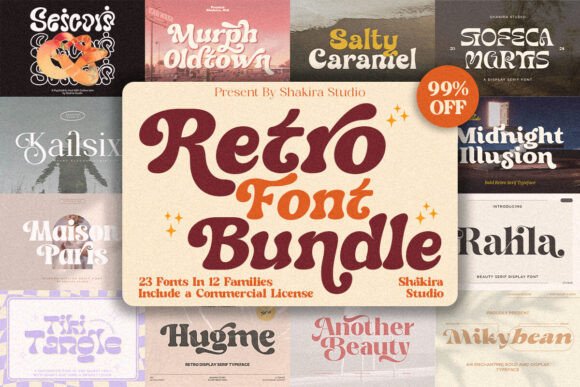 Retro Font Collection: Vintage Type for Bold Designs
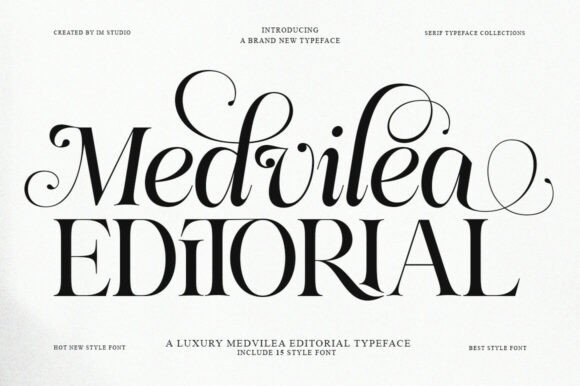 Design Elegant Magazines with Medvilea Editorial Font
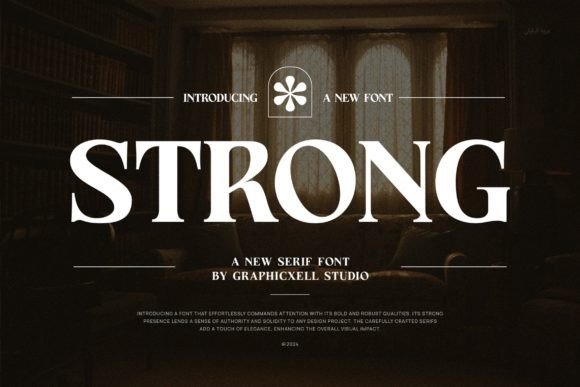 Elevate Your Design with the Perfect Strong Font
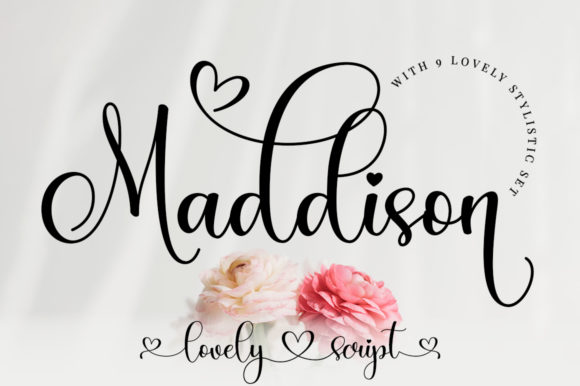 Maddison Font: Elegant Typography for Creative Projects
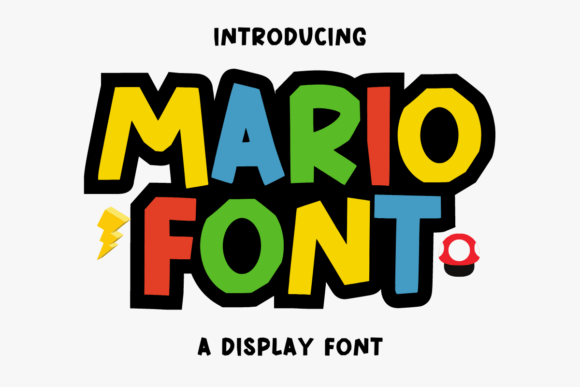 Mario Font: Retro Typography for Creative Projects
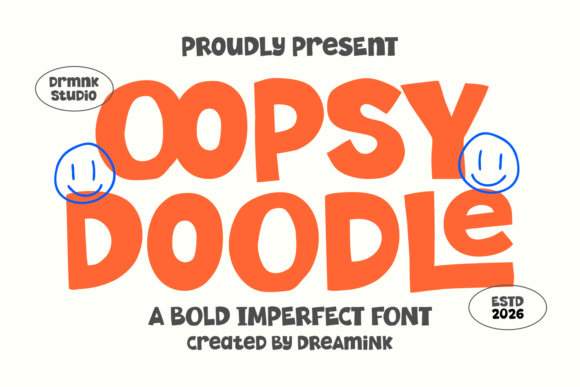 Oopsy Doodle Font: Playful Lettering for Creative Projects