Finding the right typography for youth-oriented branding or quirky packaging can be tricky. You want something bold but not overly rigid. The Oopsy Doodle Font solves this by offering a chunky, high-impact look with a handmade feel. Its uneven baselines and irregular strokes give off a spontaneous, cut-out aesthetic. Whether you are designing modern streetwear graphics or high-energy social media headers, this typeface brings a sense of artisanal freedom to your visual identity. It makes every word look like a vibrant, curated doodle without sacrificing basic readability.
What projects work best with a cut-out aesthetic?
This typeface shines when you need to grab attention quickly. Print-on-demand sellers will find it highly effective for tote bags, stickers, and bold t-shirt graphics. The irregular strokes mimic the look of hand-cut paper or thick markers, which adds a tactile, physical quality to digital designs. When you explore this specific display category, you will notice that heavy, imperfect letters work exceptionally well for artisanal food packaging and indie brand logos.
It also pairs wonderfully with illustrative styles. If you are working on zine layouts or graphic novel covers, mixing these heavy letters with the Comic Books font creates a highly engaging, dynamic cover. Designers working on sequential art often look into graphic novel typography to balance heavy title strokes with lighter, action-oriented text.
How do you pair chunky display letters with body text?
Because the main letters are so thick and irregular, you need a clean, simple sans-serif for your paragraphs. Using another highly decorative font for your subheads or body copy will make your design look cluttered and hard to read. Stick to basic, geometric sans-serifs for the small text to let the main titles stand out.
If you need a secondary heading that feels a bit more personal but less aggressive, a cozy option like Jennies House works well for subheads and pull quotes. You can also browse other craft-style lettering to find the perfect contrast for your main titles, ensuring your hierarchy remains clear and easy to scan.
Is this typeface suitable for print-on-demand apparel?
Absolutely. Streetwear brands and independent clothing labels often lean into retro, nostalgic, or DIY themes. The chunky, uneven baseline gives off a relaxed, unpolished vibe that resonates well with younger audiences. It looks fantastic when printed large across the chest of a heavyweight hoodie or used as a small, repeated pattern on a canvas bucket hat.
If your clothing line features 8-bit or retro gaming aesthetics, you might combine this with the Mario font for a mixed-media vintage look. Blending these heavy, hand-drawn strokes with nostalgic video game typography creates a highly readable, eye-catching t-shirt design that appeals to fans of retro pop culture.
What if I need a more wavy or informal alternative?
Sometimes a project needs a slightly different vibe. If the chunky cut-out look feels too heavy or aggressive for a specific campaign, you might want something with more movement. A bouncy alternative like Wiggle Whistle offers a lighter, more fluid feel while still keeping that handmade charm.
Checking out other playful, wavy alternatives can help you A/B test different headers for your social media campaigns. Having a few varied options in your toolkit ensures you can match the exact mood of any client brief, from high-energy summer sales to relaxed, cozy autumn promotions.
Quick checklist for using handmade display fonts
- Limit your usage: Keep these thick, irregular letters strictly for main titles, short headers, and logos. Avoid using them for long paragraphs.
- Mind the kerning: Because the baselines are uneven, you may need to manually adjust the spacing between certain letter pairs to keep the word looking balanced.
- Contrast is key: Always pair chunky display letters with a very clean, simple sans-serif or a highly legible serif for your body copy.
- Test on multiple backgrounds: The irregular edges can sometimes get lost on busy, textured backgrounds. Test your design on solid colors first to ensure the cut-out aesthetic remains sharp.
Take a few minutes to sketch out your layout on paper before jumping into your design software. Mapping out where your heavy display text will sit relative to your clean body copy will save you hours of tweaking and result in a much more polished final product.
Get Started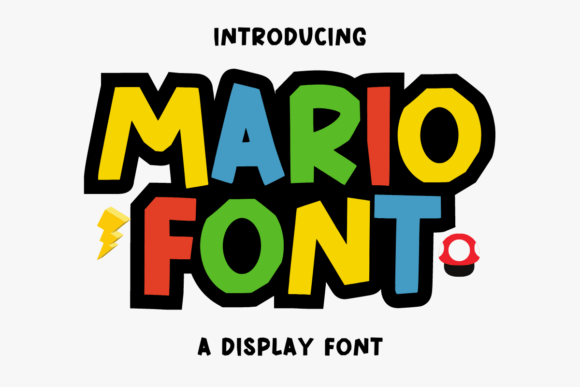 Mario Font: Retro Typography for Creative Projects
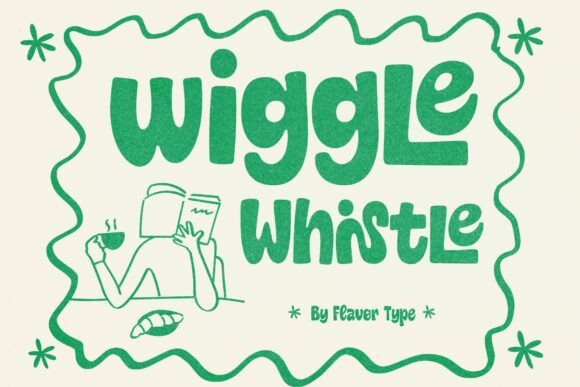 Wiggle Whistle Font: Playful Typography for Fun Projects
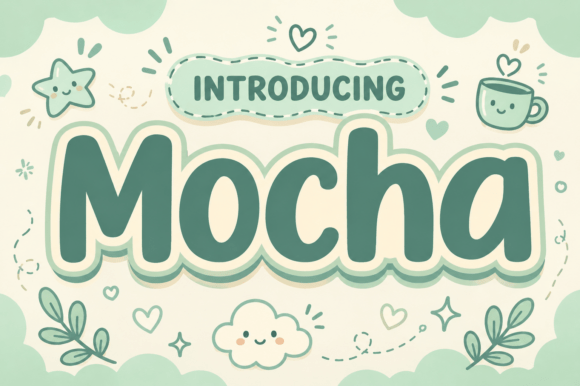 Motcha Font: Creative Typography for Your Projects
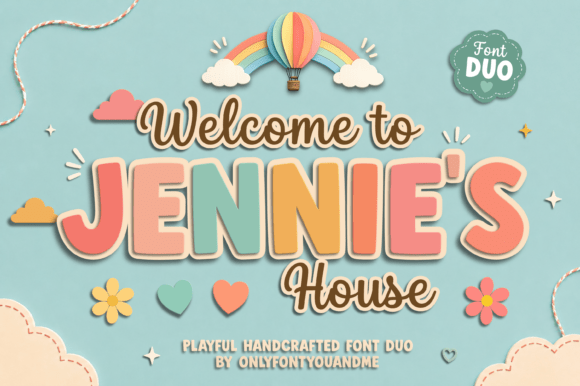 Jennies House Font: Rustic Charm for Creative Designs
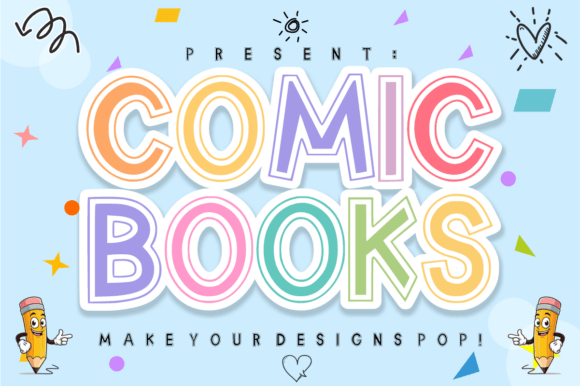 Choosing the Best Comic Books Font for Graphic Novels
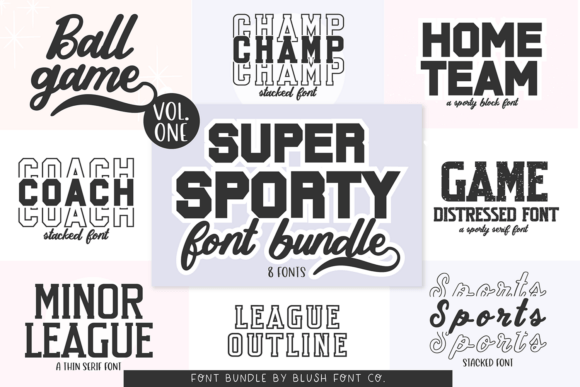 Super Sport Bundle Font for Dynamic Athletic Designs