Finding the right script typeface can make or break a design. If you want your digital projects to look like they were written by hand, The Handwriting Bundle Font gives you eight distinct styles to work with. This collection is built for crafters, print-on-demand sellers, and small business owners who need versatile lettering for everything from custom mugs to wedding invitations. Instead of buying single scripts one by one, having a bundled set saves time and keeps your branding consistent across different products. Whether you are making personalized gifts or designing merchandise for an online store, having multiple variations at your fingertips is incredibly useful.
What software works best with these script styles?
One of the biggest worries when buying new typography is whether it will actually work in your favorite design program. Fortunately, these eight handwriting styles are highly compatible across the board. You can install them directly into Photoshop for detailed digital art, or use them in Procreate for lettering on your iPad. If you prefer quick layouts, they integrate smoothly into Canva Pro. For physical crafting, they cut cleanly in both Cricut Design Space and Silhouette Studio. Sometimes you might want to pair a script with a clean sans-serif to balance the layout. For example, you could use a playful script for the main title and pair it with something like the mango dream typeface for the smaller subtext. Mixing styles helps your text remain readable while keeping that personal, handmade touch.
How do you use handwriting styles for print-on-demand?
Print-on-demand products rely heavily on eye-catching typography. When designing t-shirts, tote bags, or stickers, a handwritten look connects with buyers on a personal level. To get the best results, avoid stretching or distorting the letters. Keep the original proportions intact so the strokes look natural and intentional. You can also experiment with different bundle options depending on your specific niche. If your shop focuses on clean, modern aesthetics, you might lean toward a minimalist lettering style for your secondary text. On the other hand, if you are designing rustic farmhouse signs or cozy autumn apparel, combining your script with a bird house inspired typeface creates a great visual contrast. The key is to let the handwritten elements stand out without overcrowding the final design.
Can you use these fonts for single-line cutting machines?
Many crafters use cutting machines for drawing projects rather than just cutting vinyl. While standard handwriting fonts fill in with ink, you might sometimes need a continuous line for foil quilling or pen plotting. If your current project requires a continuous stroke for a plotting pen, you might want to look into a norfleet sketch single line option instead. However, for standard adhesive vinyl, heat transfer vinyl (HTV), and paper cutting, the standard filled handwriting styles in this bundle cut beautifully. Just make sure to weld your letters together in your cutting software so the machine treats the entire word as one continuous shape, preventing the blade from cutting through the connections.
What is the best way to install and organize new typography?
After downloading your files, it helps to keep your library organized so you do not waste time searching for the right file. Create specific folders on your computer for scripts, serifs, and display styles. When you are browsing your library for a clean pairing to go with your handwriting bundle collection, having a dedicated folder makes the selection process much faster. Always install the OTF (OpenType) version if available, as it usually includes extra ligatures and alternate characters. These extra glyphs allow you to swap out standard letters for more flourished versions, making your digital lettering look much more authentic and less like typed text.
Before you start your next design project, run through this quick typography checklist to ensure a smooth workflow:
- Check your licensing: Ensure your font license covers commercial use if you plan to sell physical products, digital templates, or print-on-demand merchandise.
- Test the cut: If you are using a Cricut or Silhouette, do a small test cut on scrap material to check the weeding process and adjust your blade pressure if needed.
- Enable ligatures: Turn on standard ligatures in your design software to connect letters smoothly and avoid awkward gaps between specific character pairs.
- Mind the kerning: Adjust the spacing between uppercase and lowercase letters manually if the automatic tracking looks uneven or too tight.
- Weld your text: In cutting software, always weld your cursive words together so the machine cuts the outer perimeter rather than slicing through the connecting lines.
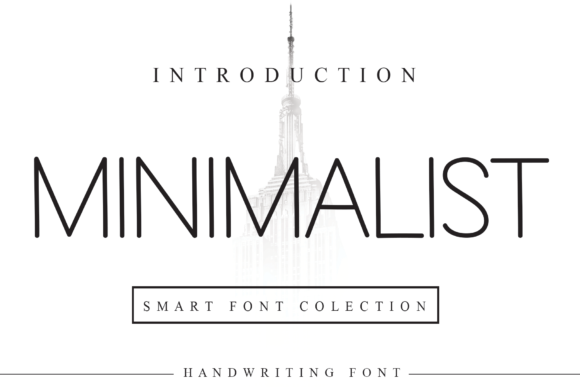 Minimalist Fonts to Elevate Your Design Projects
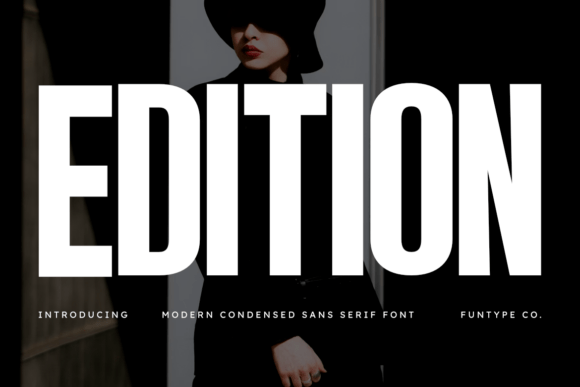 Edition Font: Creative Ideas for Editorial Design
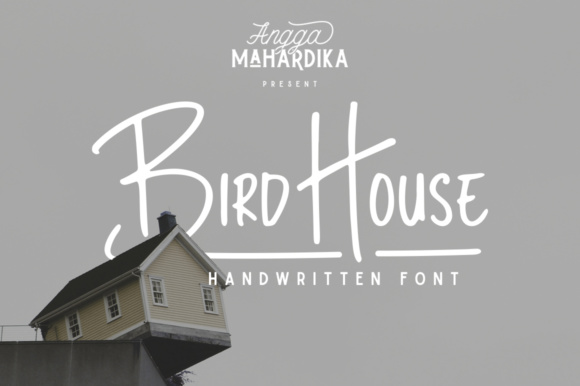 Bird House Font: Add Whimsy to Your Creative Projects
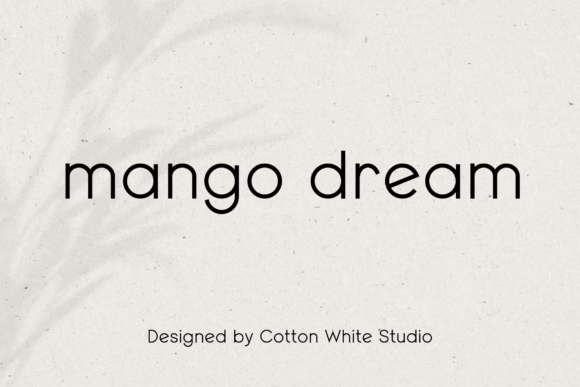 Mango Dream Font: Creative Ideas for Your Next Design
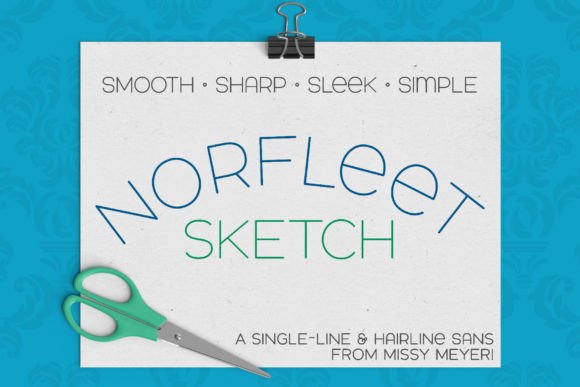 Norfleet Sketch: Single Line Font Design Ideas
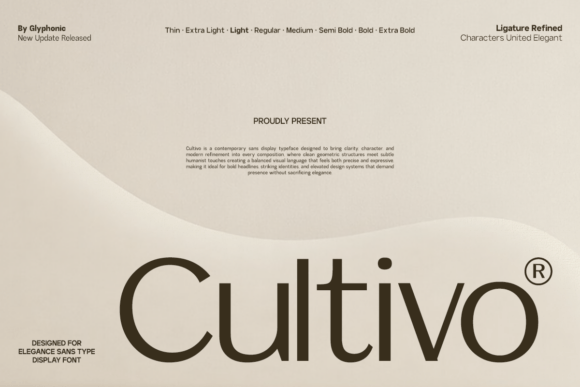 Cultivo Font: Creative Typography for Brand Design