Finding the right typography for children's products or cozy family projects can be tricky. You need something readable but full of personality. The Jennies House Font solves this by pairing a chunky, rounded display style with a flowing handwritten script. This handcrafted duo brings a warm, storybook feel to nursery decor, birthday invitations, and playful branding without looking overly messy. It is specifically designed to feel both whimsical and heartwarming, making it a reliable choice for creative hobbyists and professional designers alike.
What makes a good playful font duo for kids' projects?
When designing for children or family-oriented brands, balancing fun and readability is essential. A thick, rounded display typeface grabs attention on posters and apparel, while a softer script adds a personal, handmade touch for smaller details. If you are browsing through various playful display typefaces, look for soft curves and friendly letterforms. These features prevent the text from feeling too rigid or corporate. The chunky letterforms bring a fun, childlike energy, while the elegant script adds a personal touch, making the combination visually engaging and highly versatile for different age groups.
How can crafters and small businesses use this style?
Print-on-demand sellers and DIY crafters can get a lot of mileage out of a versatile duo like this. Here are a few practical ways to apply it to your daily workflow:
- Nursery wall art: Use the bold display style for the baby's name and the script for a sweet, meaningful quote underneath.
- Custom apparel: The thick letterforms print beautifully on toddler t-shirts, bibs, and canvas tote bags without losing detail.
- Party stationery: Mix the two styles on birthday invitations to create a clear visual hierarchy between the main event title and the smaller details like time and location.
- Greeting cards: Combine the fonts to make heartfelt, handmade-style greeting cards for baby showers and holidays.
Sometimes, a project might need a slightly different vibe. If you want something more action-packed, you might look into athletic style bundles for older kids' sports gear. For a purely cartoonish or quirky look, wobbly and quirky lettering can add a fun twist to classroom materials. You can even explore retro video game inspired styles if you are designing gaming-themed birthday party supplies. And if your project leans more toward illustrated storytelling, checking out graphic novel style lettering might give your custom zines or picture books the right pop.
Which design tools work best with handcrafted fonts?
To get the most out of a handcrafted typeface, you need software that handles custom ligatures and alternating characters well.
- Cricut Design Space and Silhouette Studio: Great for cutting vinyl decals for mugs and wooden signs. Make sure to weld or unite the script letters before cutting so they stay connected as a single piece.
- Adobe Illustrator and Photoshop: Ideal for professional branding and print-on-demand mockups. Use the glyphs panel to access alternate characters, swashes, and custom ligatures for a polished finish.
- Canva: Perfect for quick social media graphics. While it has fewer advanced typographic features, it is very user-friendly for small business owners making daily posts and simple flyers.
Taking the time to learn the glyphs panel in your preferred software will drastically improve the final look of your script text and help you avoid awkward letter spacing.
What should you check before downloading a new typeface?
Before you finalize your purchase and start designing, run through this quick checklist to ensure the file fits your workflow and business needs:
- File formats: Confirm the download includes OTF, TTF, and WOFF files so you can use it across desktop software, cutting machines, and web platforms.
- Commercial license: Always verify the licensing terms, especially if you plan to sell physical products, digital templates, or custom logos using the lettering.
- Multilingual support: Check if the font includes accented characters and special punctuation if you design for international clients or bilingual projects.
- Glyphs and alternates: Look for extra swashes or alternate letters to give your custom logos a unique, non-repetitive look that stands out in a crowded market.
Taking a few minutes to review these details will save you from frustrating licensing issues or missing characters later in your design process.
Learn More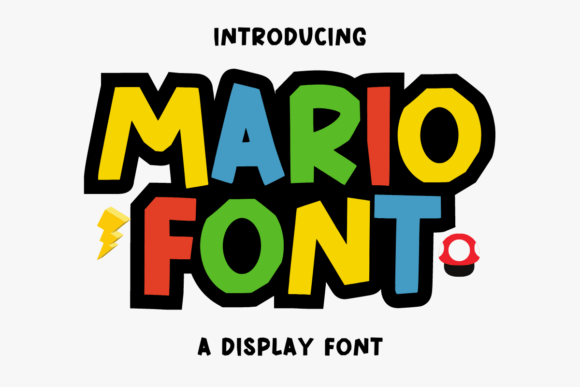 Mario Font: Retro Typography for Creative Projects
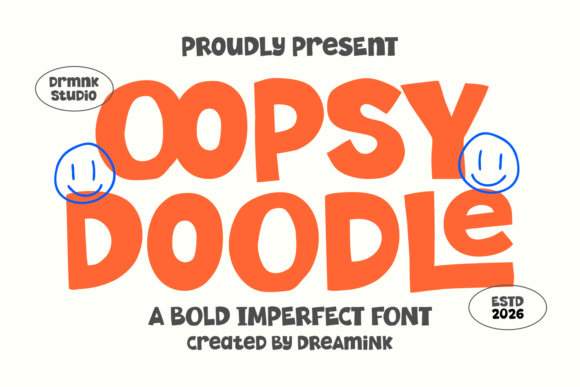 Oopsy Doodle Font: Playful Lettering for Creative Projects
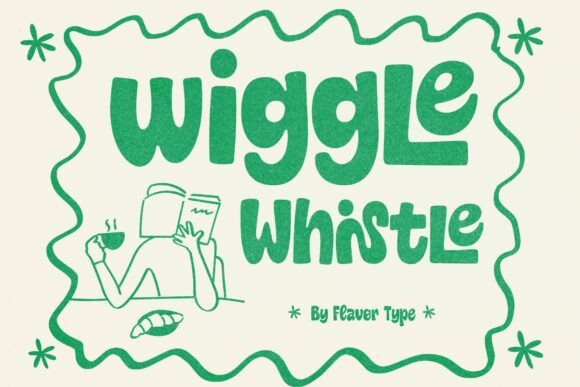 Wiggle Whistle Font: Playful Typography for Fun Projects
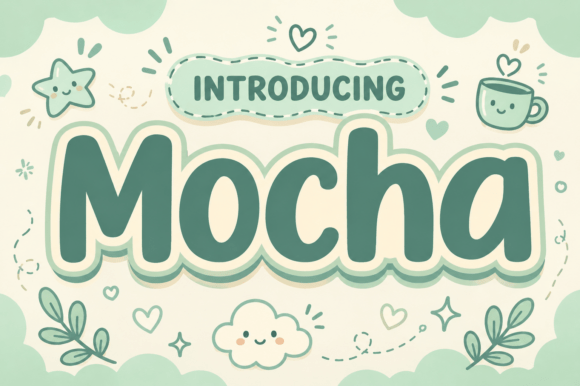 Motcha Font: Creative Typography for Your Projects
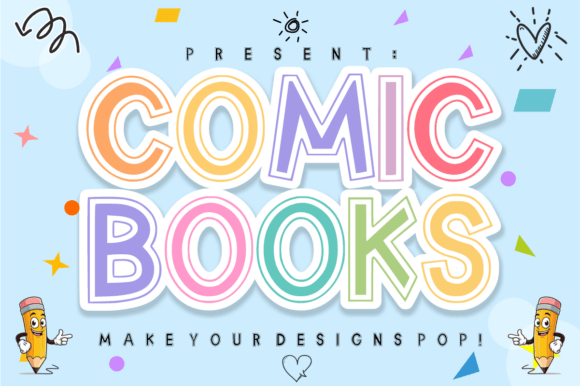 Choosing the Best Comic Books Font for Graphic Novels
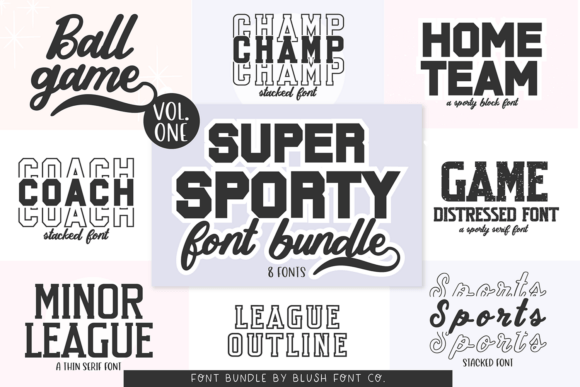 Super Sport Bundle Font for Dynamic Athletic Designs