Finding the right typeface for a clean, modern project often means stripping away unnecessary details. The Minimalist Font is a neat sans serif typeface designed exactly for this purpose. It offers straightforward, highly legible letterforms that work well across a wide variety of creative tasks. Whether you are setting up a new brand identity, designing apparel for a print-on-demand shop, or creating custom wedding stationery, this typeface keeps your text readable and visually balanced without distracting from the overall layout.
What makes a clean sans serif typeface work for branding?
Small businesses and graphic designers often look for typography that communicates professionalism without feeling stiff. A well-structured sans serif provides that balance. When you use a neat font for logos, business cards, or website headers, the focus stays on your message. If you want to mix things up, you might pair it with something more expressive, like a single-line sketch style for secondary accents, keeping the primary text grounded and easy to read. The simplicity of minimal lettering ensures your brand name remains clear even when scaled down for social media profile pictures, favicons, or printed invoices.
How do you use simple typography in print-on-demand and crafting?
Crafters and print-on-demand sellers need fonts that reproduce well on physical products. Intricate details can get lost when printing on fabric, wood, or textured paper. A straightforward sans serif solves this problem by maintaining crisp edges at any size. For t-shirt designs, tote bags, or mugs, bold and simple text tends to perform better and catch the eye from a distance. Furthermore, if you are cutting vinyl with a digital die-cutting machine, simple letterforms are much easier to weed than heavily scripted alternatives.
Sometimes, a project needs a softer touch. If you are making greeting cards or nursery decor, you might combine your main minimal text with a playful and rounded alternative to add a bit of warmth. For more formal crafting projects, like DIY home organization labels or pantry jars, sticking to a highly legible, unadorned style ensures everything is easy to read at a glance. You can also explore a more organic sans serif option if your crafts lean toward a natural, earthy aesthetic.
Which projects benefit most from neat, minimal lettering?
Because of its versatility, this style of typography fits into almost any design category. Here are a few specific ways creative hobbyists and professionals use clean sans serifs:
- Editorial layouts: Magazines, lookbooks, and zines rely on highly readable text for body copy and subtle headings.
- Packaging design: Cosmetic boxes, coffee bags, and artisan food labels use minimal text to convey a premium, modern feel.
- Digital products: Planners, worksheets, and presentation templates need clear typography so users can focus on the content.
- Signage and wayfinding: Store directories and event banners require letterforms that are instantly recognizable from afar.
If you are working on a digital planner or a modern invitation suite, you might want to contrast your clean headings with a collection of handwritten styles for personal notes or signatures. Alternatively, for a sleek, high-fashion editorial look, pairing it with an elegant and refined typeface can create a beautiful visual hierarchy.
How should you format and space minimal text?
Getting the most out of a simple typeface requires paying attention to the small details. Since the letterforms themselves lack heavy decoration, the spacing and layout do the heavy lifting. Keep these formatting rules in mind:
- Track and kerning: Add a little extra space between uppercase letters for logos and headers to give the text a premium, breathable feel.
- Line height: Increase the leading in body paragraphs to improve readability, especially on mobile screens.
- Weight contrast: Use the bold weight for main titles and the light or regular weight for subtext to create clear visual separation.
- Color palette: Stick to high-contrast combinations, like deep charcoal text on an off-white background, to maintain the clean aesthetic.
What should you check before finalizing your design?
Before sending your files to print or publishing them online, run through this quick typography checklist to ensure your text looks perfect:
- Check the legibility of your text when scaled down to 25% of its original size.
- Ensure there is enough contrast between your text color and the background.
- Verify that your line spacing allows the eye to move smoothly from one line to the next.
- Print a physical test copy if your final product will be manufactured on fabric or paper.
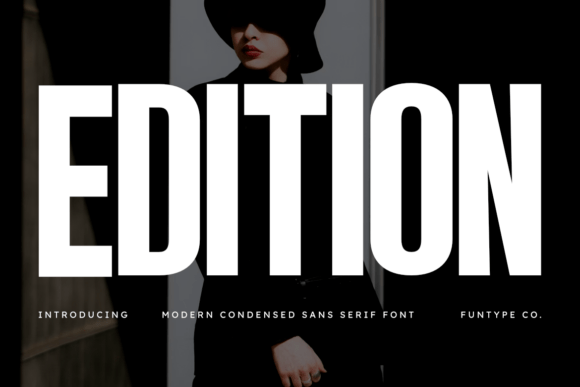 Edition Font: Creative Ideas for Editorial Design
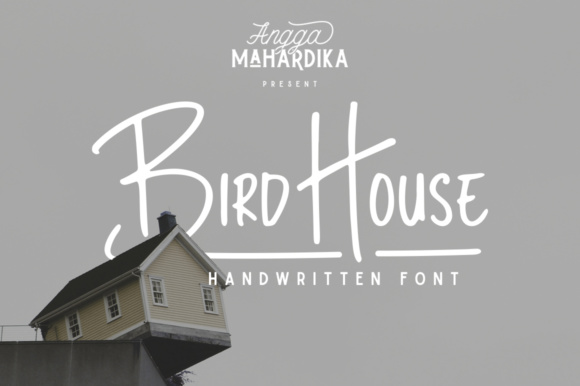 Bird House Font: Add Whimsy to Your Creative Projects
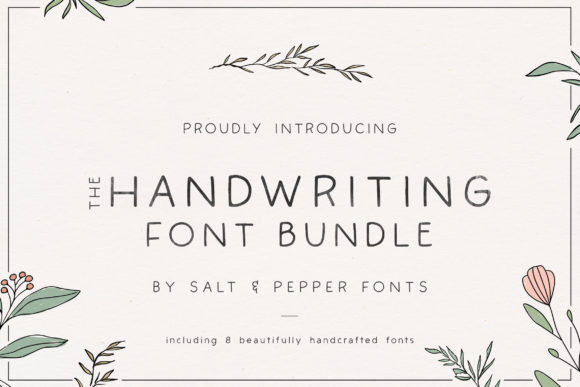 Craft Authentic Designs with the Handwriting Bundle Font
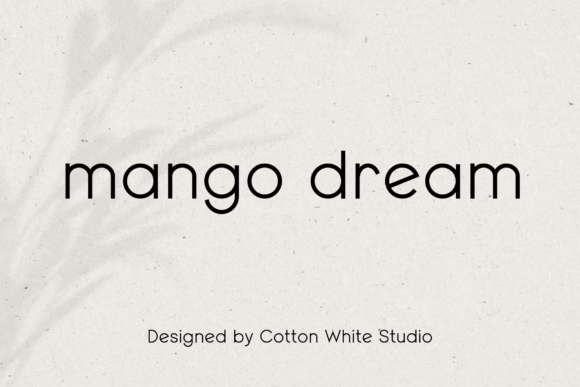 Mango Dream Font: Creative Ideas for Your Next Design
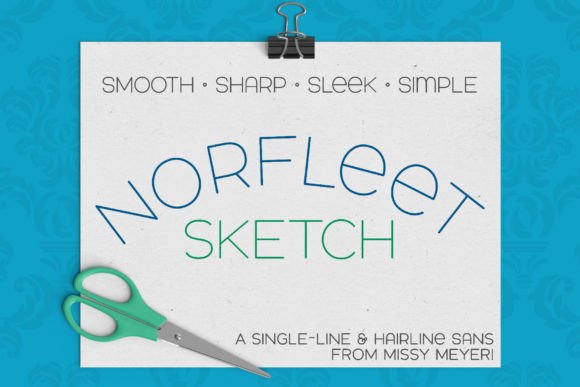 Norfleet Sketch: Single Line Font Design Ideas
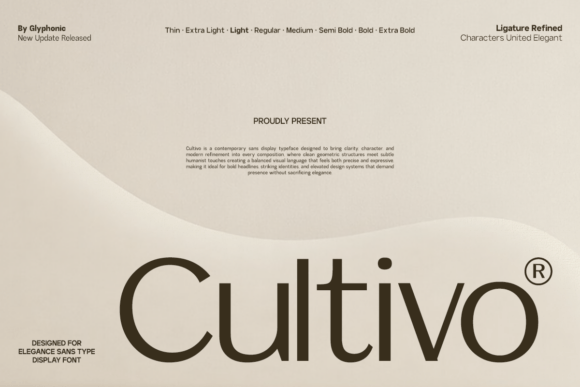 Cultivo Font: Creative Typography for Brand Design