Finding the right typeface for a clean, modern project often means looking for simple geometry and readable letterforms. The Mango Dream Font is a modern sans-serif typeface built around round, minimalistic shapes. It offers a contemporary look that works well for small business branding, website headers, and print-on-demand apparel. Because it avoids overly decorative elements, the text remains highly legible even at smaller sizes, making it a reliable choice for both digital screens and physical products.
What makes a round sans-serif work for branding?
Round letterforms naturally feel approachable and friendly. When you are designing a logo for a skincare line, a modern cafe, or a children's clothing brand, harsh angles can sometimes feel too aggressive. A typeface with soft curves and a clean structure creates a welcoming vibe without looking childish.
For print-on-demand sellers, this style is highly versatile. You can use it for minimalist tote bag designs, simple typography t-shirts, or clean mug decals. The uniform stroke width ensures that the letters cut cleanly on vinyl plotters and print sharply on direct-to-garment machines. It also scales beautifully for social media graphics, keeping your brand messaging clear and easy to read on mobile devices.
How do you pair minimalistic fonts in a design project?
Pairing typefaces is all about creating visual contrast. If your primary text is a clean, round sans-serif, you usually want to pair it with something that offers a different texture or weight to establish a clear hierarchy.
- For a highly professional look: Try pairing it with a structured, slightly more geometric option like the Bourgueil typeface to create a subtle hierarchy in your headers and body text.
- For an editorial layout: Contrast the soft curves with a sharp, modern alternative such as the Edition lettering style to give your magazine or blog layout a crisp, high-fashion feel.
- For organic brands: Mix it with a slightly more textured or earthy option like the Cultivo type family to balance the modern minimalism with a natural, grounded aesthetic.
- For playful crafting: If you are making DIY party invitations, you can add a handwritten accent using the Norfleet Sketch single line style to give the design a personal touch.
If you want to explore more options in the same category, browsing other minimalist sans-serif choices can help you find the perfect secondary typeface for your specific layout needs.
Can you use this typeface for international projects?
One of the most practical features of this typeface is its built-in multilingual support. When you are creating packaging for a product that will be sold globally, or designing a website that needs to support multiple European languages, having the correct accented characters is essential.
When reviewing standard Mango Dream typography guidelines, a complete character set ensures that your branding remains consistent across different regions. You will not have to worry about missing glyphs or default system fonts breaking your layout when switching from English to French, Spanish, or German.
Which crafting and printing methods suit this typeface best?
Because of its clean lines and lack of fragile serifs, this font is incredibly forgiving for physical crafting methods. Hobbyists and small business owners will find it easy to work with across various mediums.
- Vinyl Cutting: The smooth curves and consistent thickness mean your Cricut or Silhouette machine will not struggle with tiny, intricate cuts.
- Sublimation: The bold, minimalistic shapes hold color well and remain readable even when scaled down for small items like keychains or phone cases.
- Laser Engraving: The uniform strokes engrave evenly into wood or acrylic, making it ideal for custom signage and wedding decor.
- Embroidery: While very thin fonts can cause thread breaks, the solid structure of this typeface digitizes smoothly for hat and hoodie embroidery.
Quick setup checklist for your next design
Before you finalize your project, run through this quick list to ensure your typography looks its best:
- Check your kerning: Even well-designed typefaces need slight manual spacing adjustments for all-caps logos.
- Test the contrast: Print a black-and-white draft to make sure the round shapes remain readable against your background color.
- Verify language support: Type out all required foreign characters to confirm the glyphs are present before sending the file to a commercial printer.
- Outline your text: Always convert your text to outlines or shapes before sending the final vector file to a print shop to avoid missing font errors.
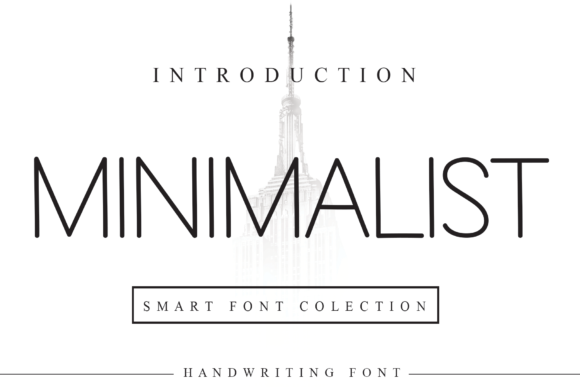 Minimalist Fonts to Elevate Your Design Projects
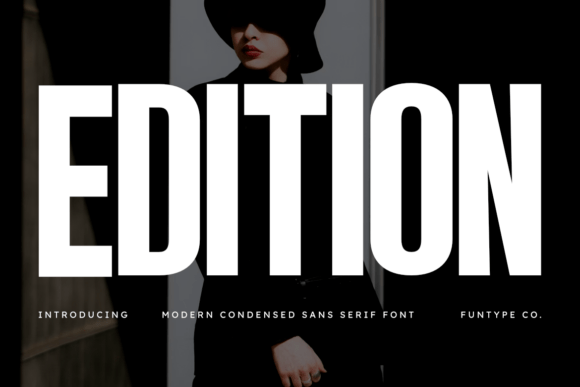 Edition Font: Creative Ideas for Editorial Design
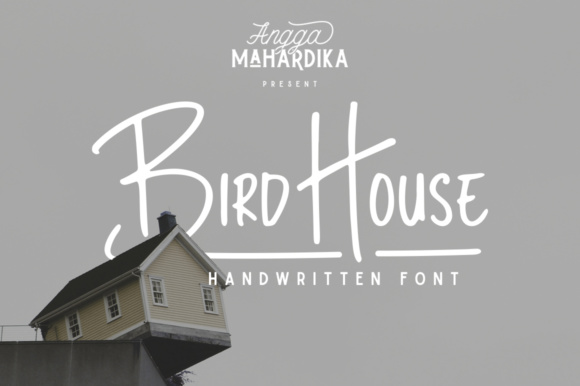 Bird House Font: Add Whimsy to Your Creative Projects
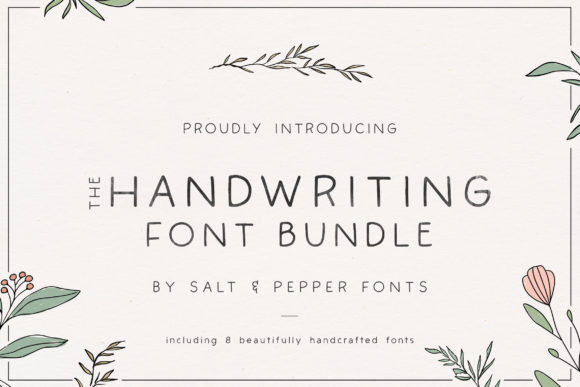 Craft Authentic Designs with the Handwriting Bundle Font
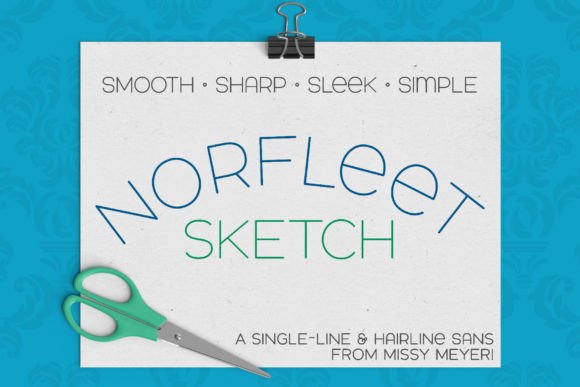 Norfleet Sketch: Single Line Font Design Ideas
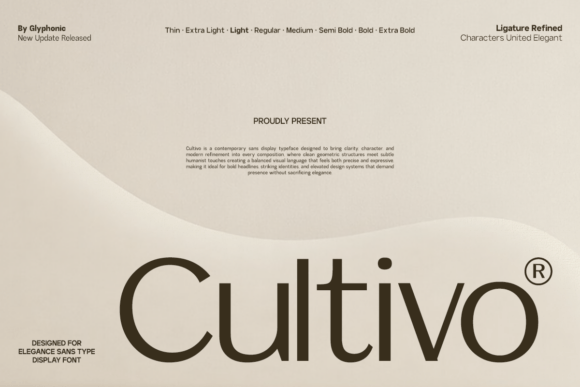 Cultivo Font: Creative Typography for Brand Design