When you need text that looks like it was jotted down in a hurry but still reads clearly, finding the right typeface can be tricky. The Front Picture Font solves this by mimicking the exact look of dry ballpoint pen strokes on paper. It captures that familiar charm of quick notes scribbled in the margins of a notebook, giving your design an honest, unpolished feel that connects well with readers.
Designers and crafters often struggle with scripts that look too digital or perfectly uniform. Real handwriting has natural flaws, and embracing those imperfections is what makes a design feel genuine. Whether you are creating custom stationery, packaging for a small business, or digital assets for social media, using a typeface that feels human can make your work stand out.
What makes a handwritten font look authentic?
Many script typefaces fail because the letters look overly polished. Real handwriting has distinct quirks. This specific typeface includes slightly rough strokes and uneven pressure, which creates a highly natural rhythm. The texture of a dry ballpoint pen means some parts of the letters are darker or lighter, just like when you press harder on a downstroke or run out of ink on an upstroke.
Here are a few details that give it a realistic feel:
- Uneven baselines: The letters do not sit perfectly on a straight, rigid line.
- Varied stroke weight: Mimics the physical way a pen presses into the page.
- Casual connections: The flow feels relaxed and spontaneous rather than rigidly linked.
How can print-on-demand sellers use casual scripts?
If you sell custom apparel or drinkware, customers often want designs that feel personal and relatable. A relaxed script works beautifully for short, witty quotes on coffee mugs, tote bags, or minimalist line-art t-shirts. Because the letters have a raw, unedited look, they pair perfectly with simple graphics, vintage illustrations, or basic line drawings.
When designing stickers or labels for small businesses, this style adds a human touch to your packaging. It makes a mass-produced item feel like it was packed and labeled by hand, building a stronger connection with the buyer. You might also explore other casual styles if you want to offer variety in your shop, such as exploring sweet, fruit-themed lettering for a more youthful aesthetic.
What are the best layout tips for margin-note styles?
Since this font mimics quick notes, it looks best when placed off-center or slightly tilted. Avoid forcing it into perfectly justified blocks or strict grids. Let the text breathe and overlap with other elements, like a polaroid frame, a sketched doodle, or a piece of masking tape graphic.
If you are working on a project that requires a slightly different mood, you can mix and match your typefaces. Pairing a raw ballpoint script with a bold, structured sans-serif creates great visual contrast. If your project leans more toward fashion or pop culture, you might want to look at nostalgic pop-culture aesthetics to capture that specific vibrant energy. Alternatively, for clean, editorial layouts, checking out neatly structured handwriting styles can help keep your text blocks tidy while maintaining a handwritten feel.
How do you pair this font with backgrounds and images?
The rough texture of the ballpoint pen means you should keep the background relatively clean. Busy patterns can make the thin, uneven strokes hard to read. Solid colors, subtle paper textures, or soft watercolor washes work best to ensure legibility. Avoid placing this text directly over high-contrast photographs unless you add a subtle drop shadow or a solid backing shape behind the words.
For photography overlays or watermarking, a casual script adds a personal signature to your images. Many photographers prefer a relaxed, organic look for their branding, which is why exploring organic watermarking styles is a common step when building a visual portfolio. If you want to dive deeper into the specific features of our main typeface, reviewing the full character set and alternate glyphs will show you all the available ligatures and punctuation marks.
Quick checklist for printing with handwritten fonts
Before you send your final design to the printer or upload it to your online store, run through this quick checklist to ensure your text looks its best:
- Check the tracking: Handwritten fonts usually need default or slightly loose tracking. Never squeeze the letters too close together.
- Test the contrast: Print a small sample on your actual material to ensure the thin, dry pen strokes do not fade away.
- Watch the edges: Make sure the rough edges of the letters are not getting cut off by the bleed line.
- Read it out loud: Have a friend read the text to confirm the casual style is still easy to understand at a glance.
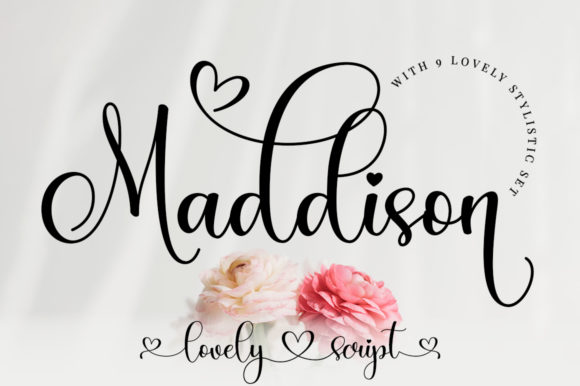 Maddison Font: Elegant Typography for Creative Projects
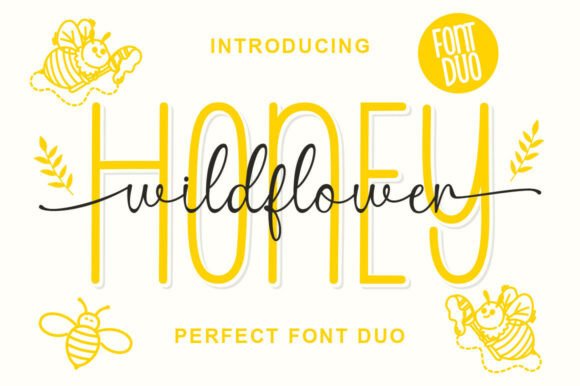 Wild Flower Honey Duo Font for Organic Branding
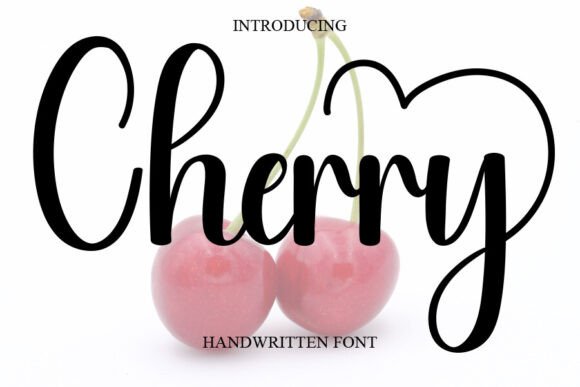 Cherry Font: Playful Typography for Creative Projects
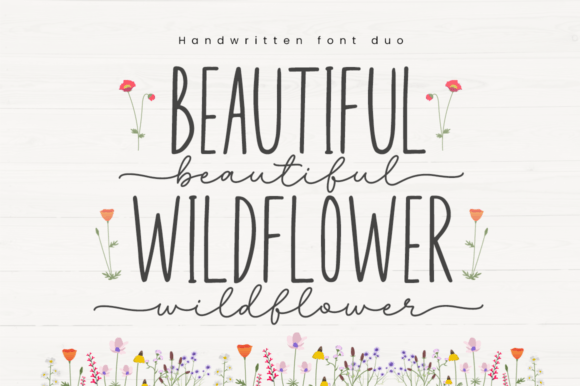 Beautiful Wildflower Duo Font for Elegant Branding
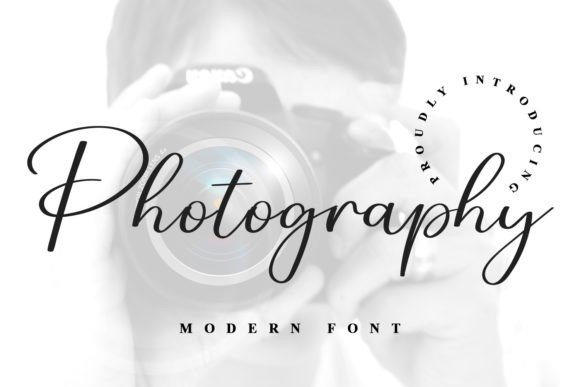 Best Photography Fonts for Portfolios
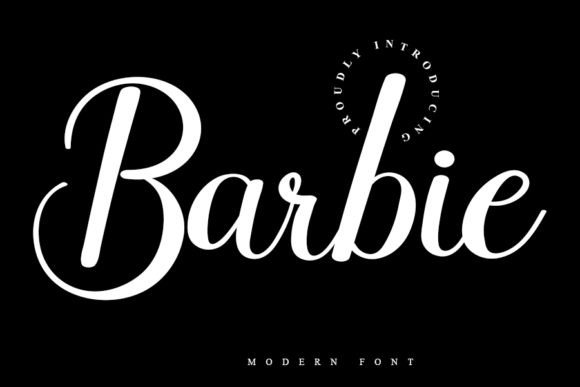 Designing with the Barbie Font: Creative Project Ideas